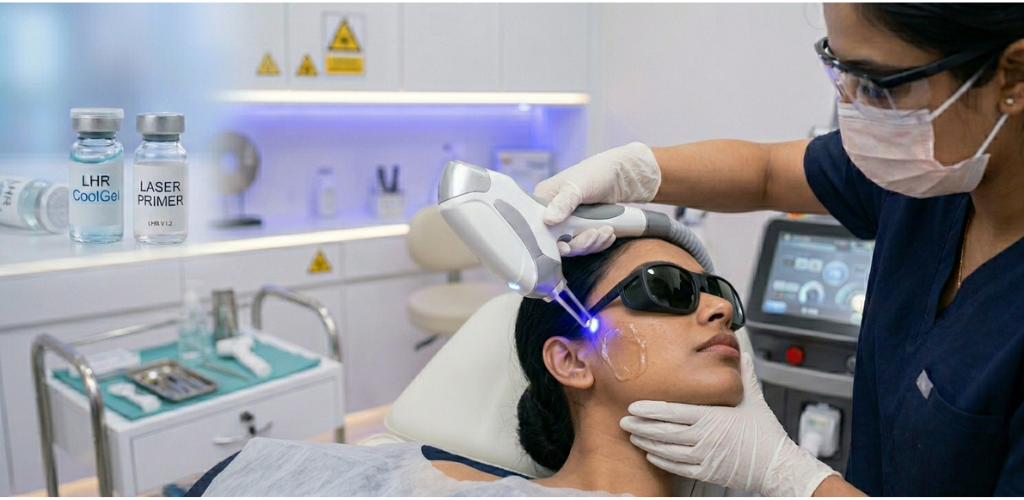
Laser hair removal is a cosmetic procedure that uses concentrated light beams to target and reduce unwanted hair. The pigment (melanin) in hair absorbs the light, which damages the hair follicle and slows future growth. It’s commonly used on areas like the face, legs, underarms, and bikini line. The treatment is precise and can selectively target dark, coarse hairs without harming surrounding skin. Multiple sessions are usually needed for long-lasting results.

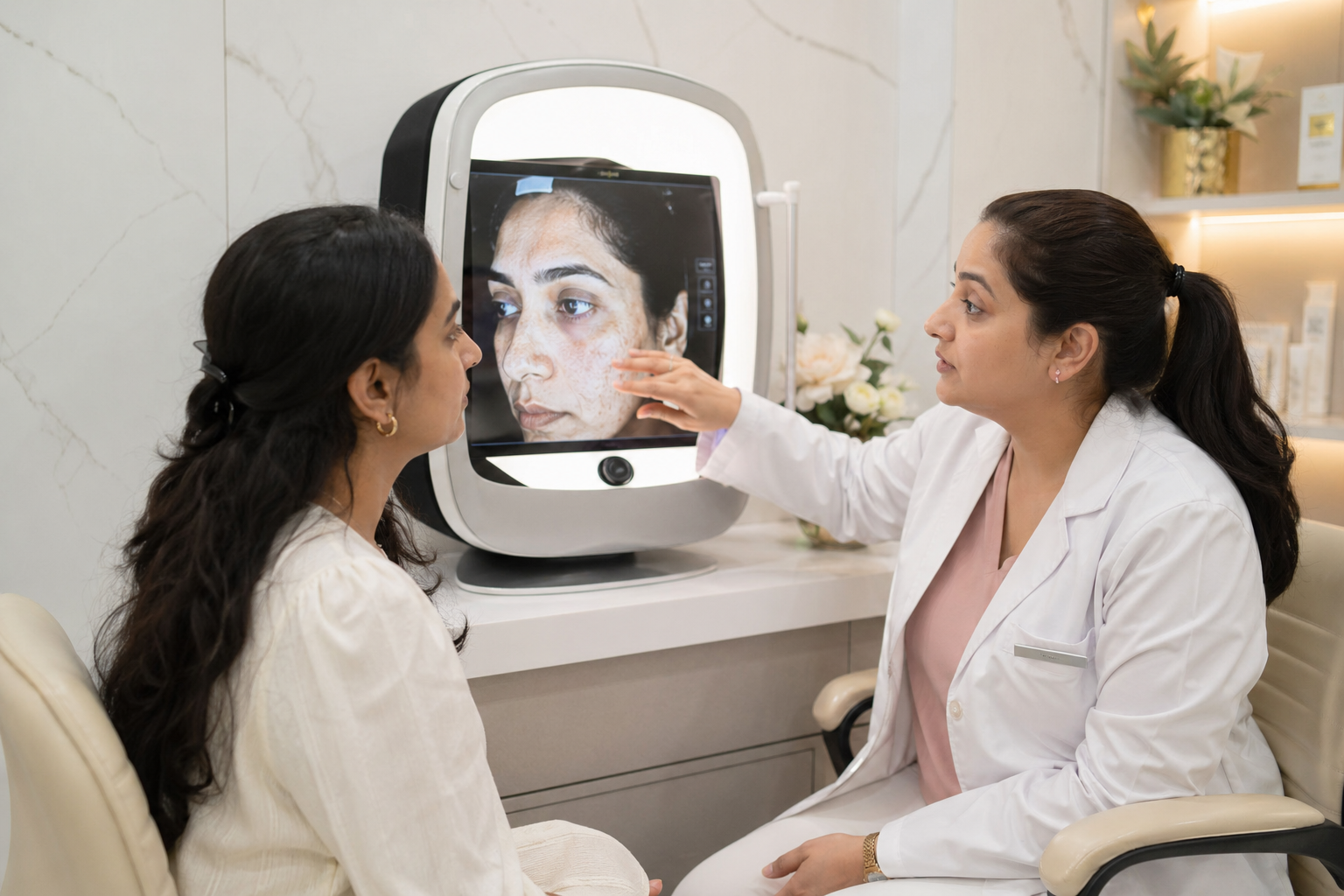
A specialist assesses your skin type, hair color, and medical history to plan treatment.
The area is cleaned and shaved; protective eyewear is provided.
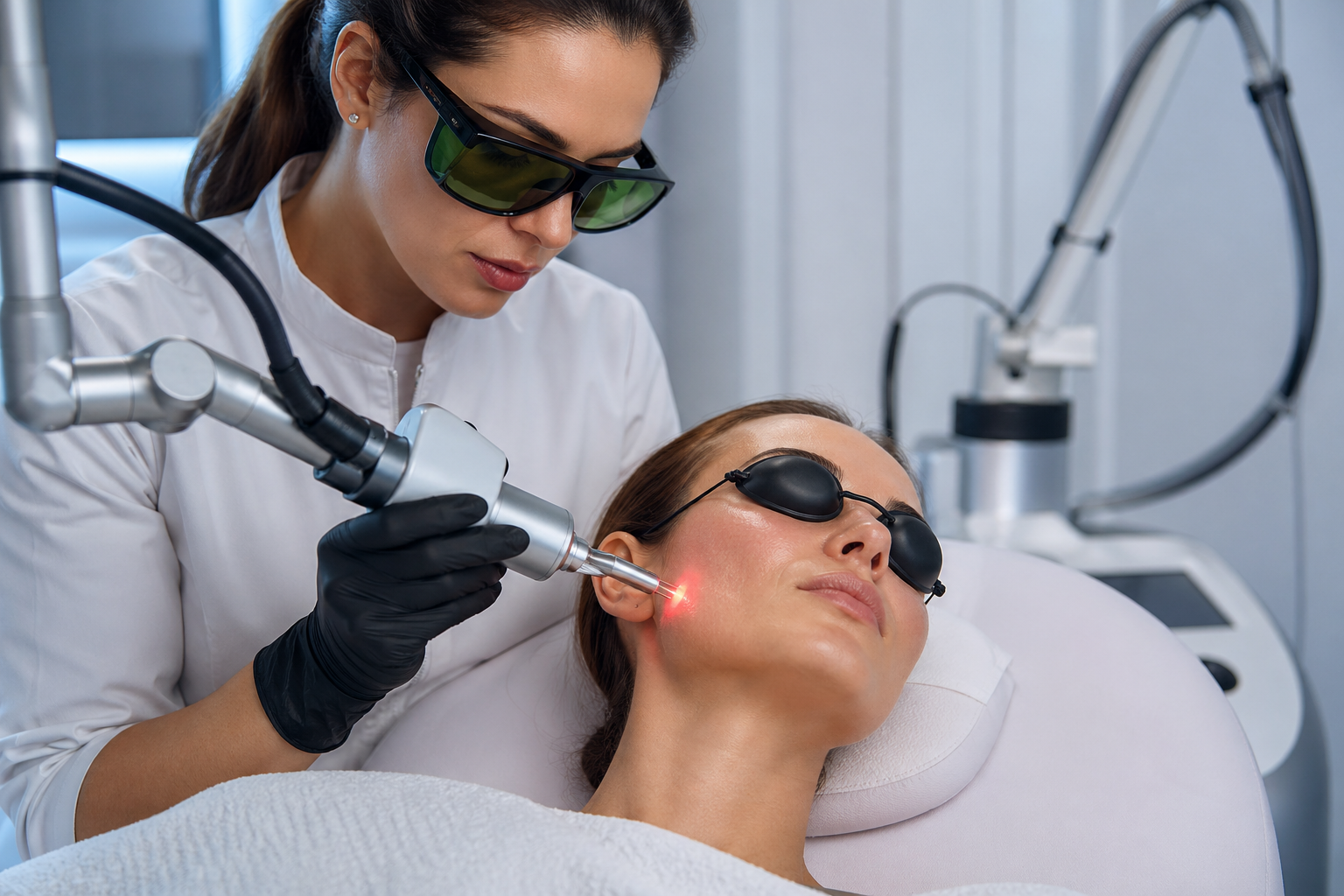
The device emits pulses of light that penetrate the skin and target hair follicles
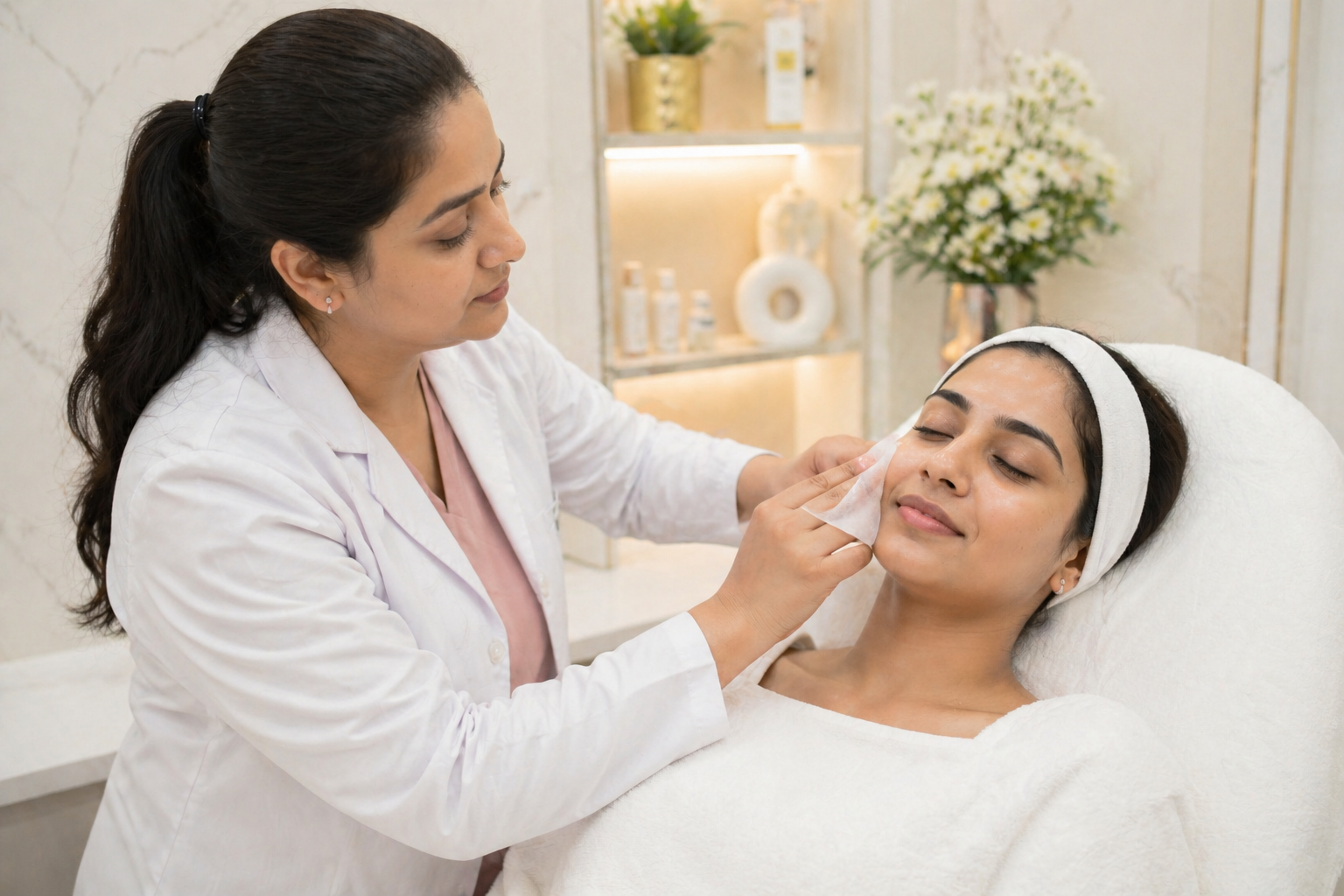
Cooling gels or devices reduce discomfort and protect the skin.
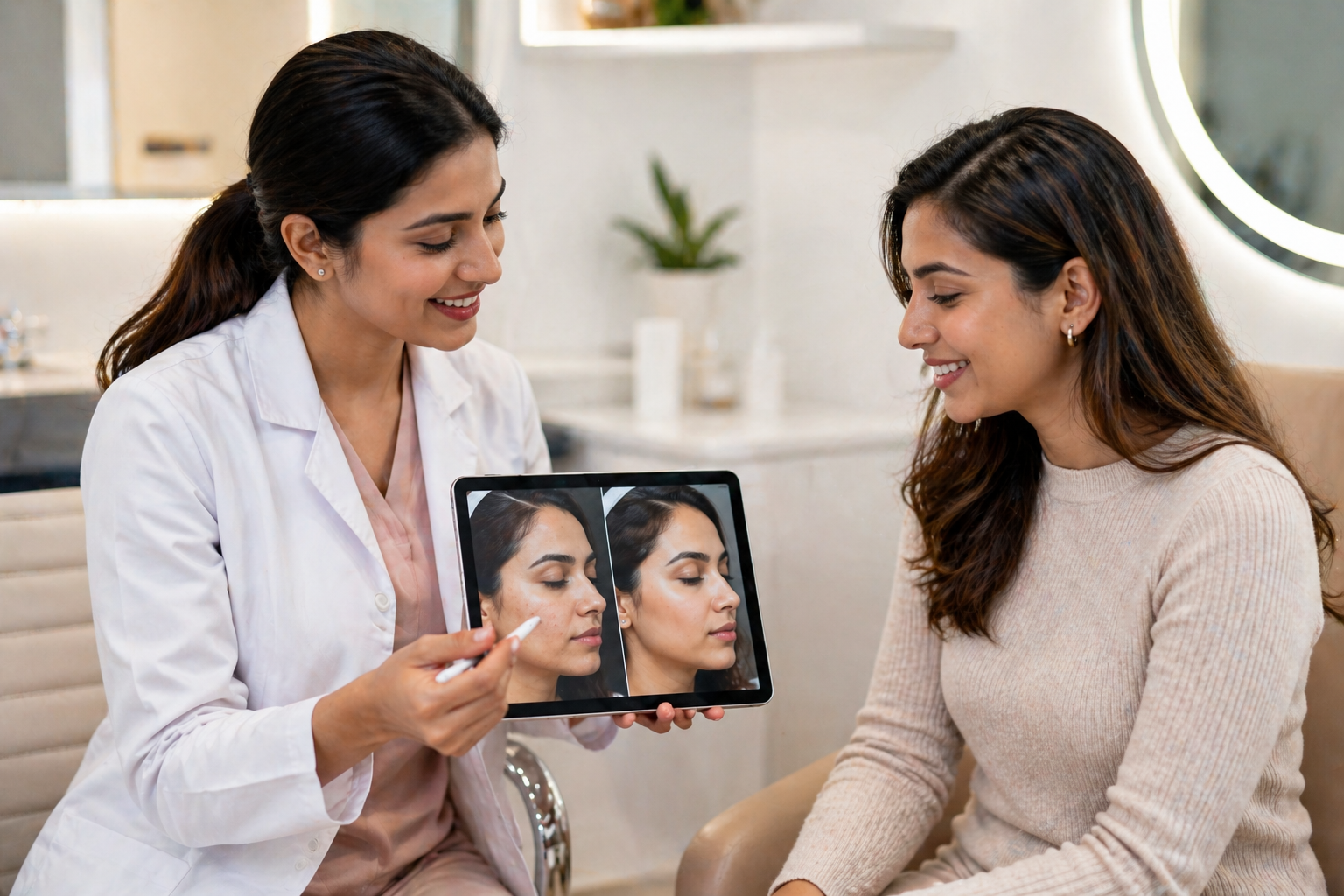
You may be advised to avoid sun exposure and use soothing creams; follow-up sessions are scheduled.
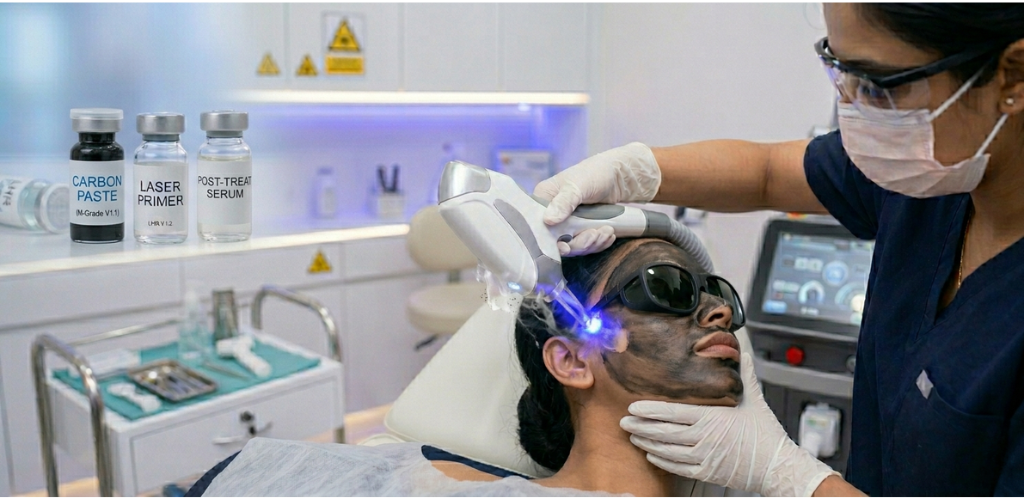
Carbon laser treatment is a non-invasive skin rejuvenation procedure that uses a layer of liquid carbon and laser energy to deeply cleanse and refresh the skin. The carbon absorbs oil, dirt, and impurities from pores. When the laser passes over it, it exfoliates dead skin cells and stimulates collagen production. This results in brighter, smoother, and more even-toned skin. It’s especially popular for oily skin, acne, and enlarged pores.

The skin is thoroughly cleaned to remove makeup, oil, and dirt.

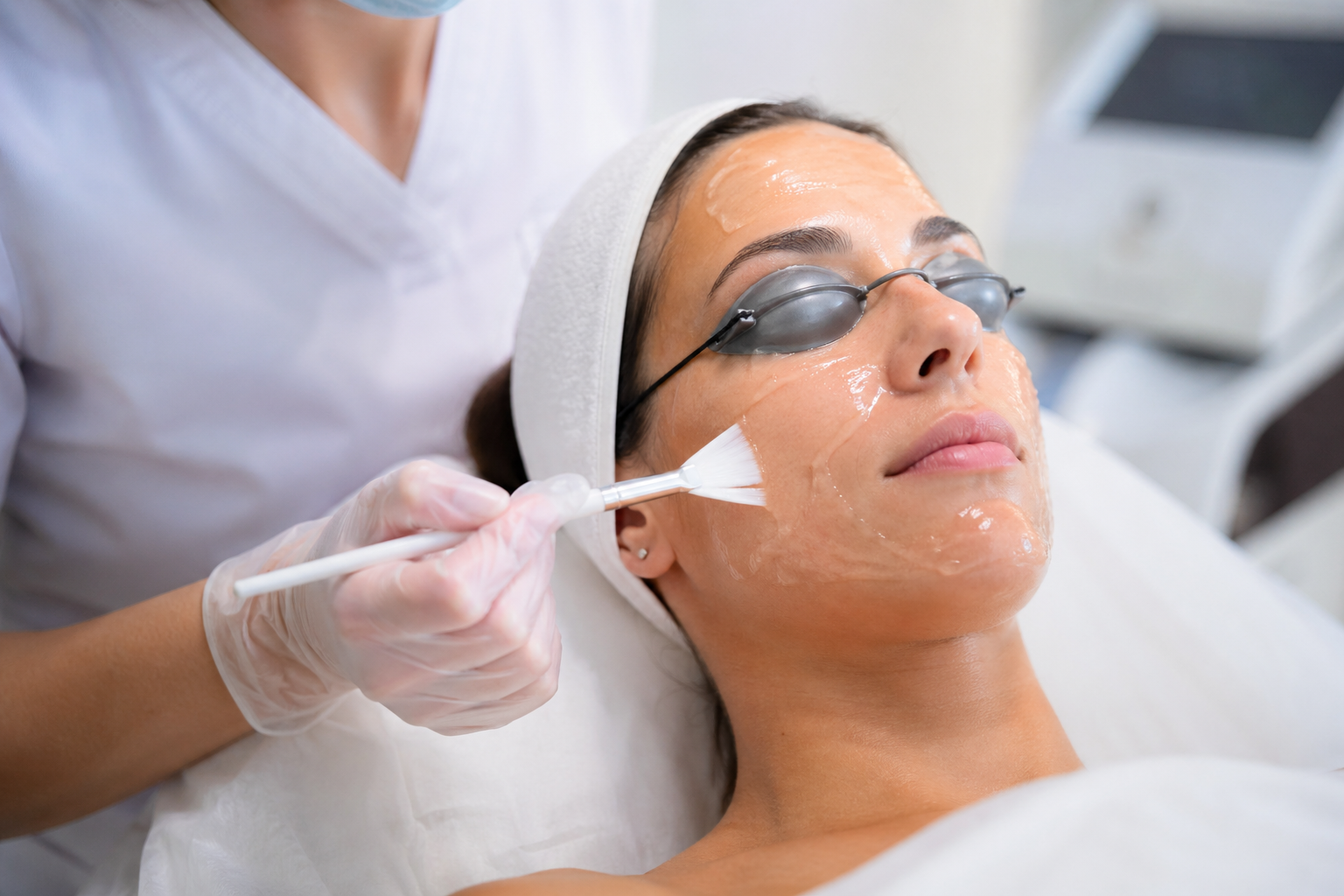
A thin layer of liquid carbon is applied and allowed to penetrate pores.

A laser is passed over the skin, heating and binding to the carbon particles.

A second laser pass shatters the carbon, exfoliating the skin and removing impurities.

A soothing moisturizer and sunscreen are applied to protect and hydrate the skin.
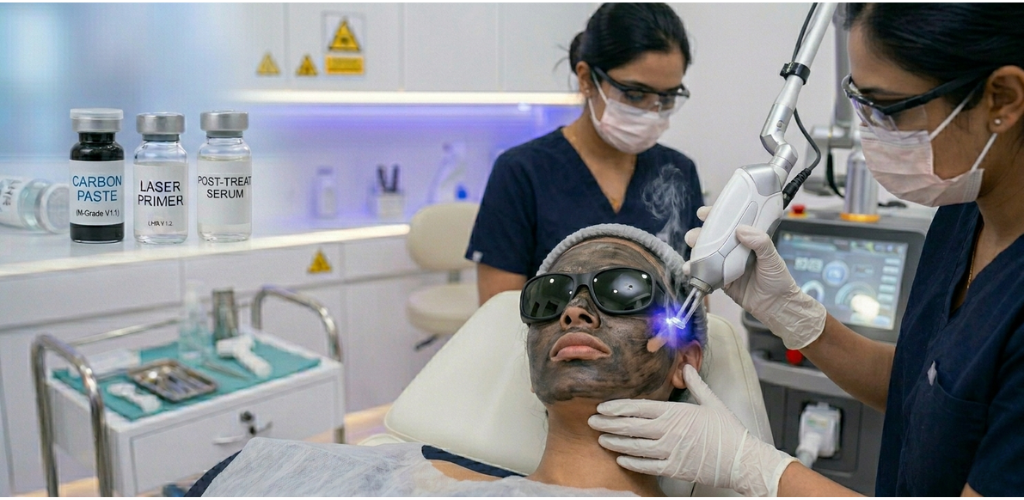
Q-switched laser treatment is a non-invasive procedure that delivers high-intensity laser pulses in very short bursts to target pigment in the skin. It is widely used for treating pigmentation, tanning, acne scars, and tattoo removal. The laser breaks down excess melanin into tiny particles, which are naturally cleared by the body. It also stimulates collagen production, improving overall skin texture. The result is brighter, clearer, and more even-toned skin over multiple sessions.

Skin type and concern (pigmentation, acne marks, etc.) are assessed.

The treatment area is cleaned to remove impurities and oil

Q-switched laser pulses are delivered to targeted areas of pigmentation.

Cooling gel or air cooling is used to minimize discomfort

Sunscreen and soothing creams are applied; sun protection is essential.
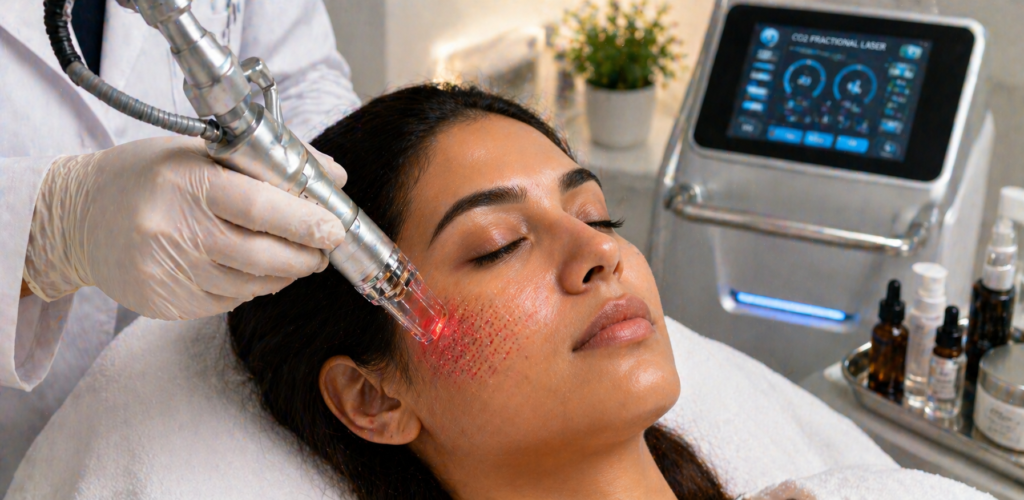
CO₂ fractional laser is an advanced skin resurfacing treatment that uses carbon dioxide laser energy to create tiny controlled micro-injuries in the skin. This stimulates natural healing and boosts collagen production, improving skin texture and firmness. It is highly effective for acne scars, wrinkles, fine lines, enlarged pores, and uneven skin tone. The “fractional” approach treats only a fraction of the skin at a time, allowing faster recovery compared to traditional resurfacing. Results are more dramatic than most non-invasive treatments.

Skin concerns and suitability are evaluated; treatment plan is customized.

The skin is cleansed and a topical numbing cream is applied for comfort.

Fractional CO₂ laser creates micro-columns of heat in the skin to stimulate repair.

Cooling measures and soothing agents are applied immediately after.

Skin may peel and heal over a few days; strict sun protection and skincare are essential.
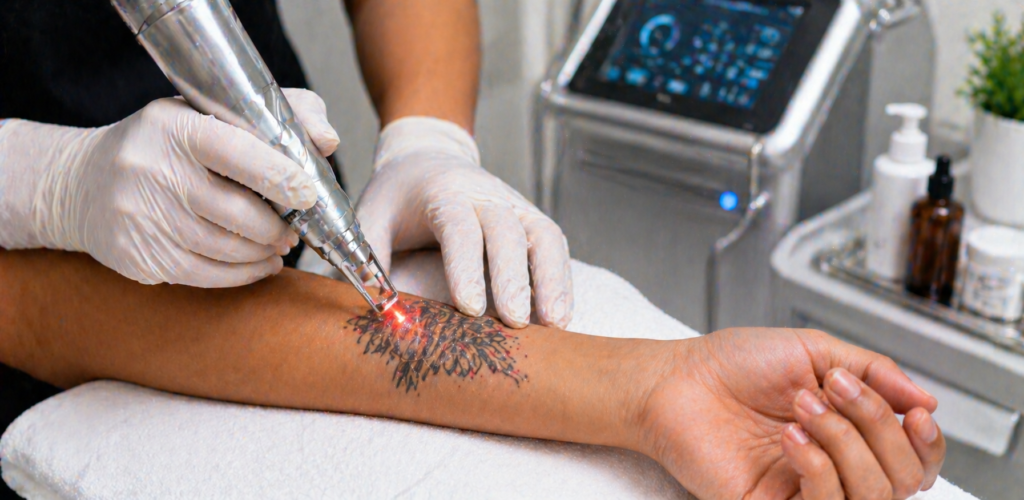
Laser tattoo removal is a procedure that uses high-intensity light beams to break down tattoo ink particles in the skin. The laser targets the pigment without significantly damaging surrounding tissue. These fragmented ink particles are gradually cleared by the body’s immune system. It works on most tattoo colors, though darker inks respond faster than lighter ones. Multiple sessions are required to achieve significant fading or complete removal.

The tattoo’s size, color, depth, and skin type are evaluated.

The area is cleaned, and a numbing cream may be applied for comfort.

Short, powerful laser pulses target and shatter the ink particles.

Cooling devices or gels are used to soothe the treated area.

The area is dressed if needed; proper care and sun protection are advised between sessions.
Your treatments are handled by licensed doctors and trained medical staff, ensuring every procedure is safe, evidence-based, and tailored to each patient.
You follow clinical-grade sterilization protocols and use approved equipment and products, minimizing risks and prioritizing patient safety at every step.
No one-size-fits-all approach—each client receives a consultation and customized plan based on their goals, health history, and realistic outcomes.
You provide honest guidance, explain benefits and limitations clearly, and avoid unnecessary procedures—building long-term trust with patients.