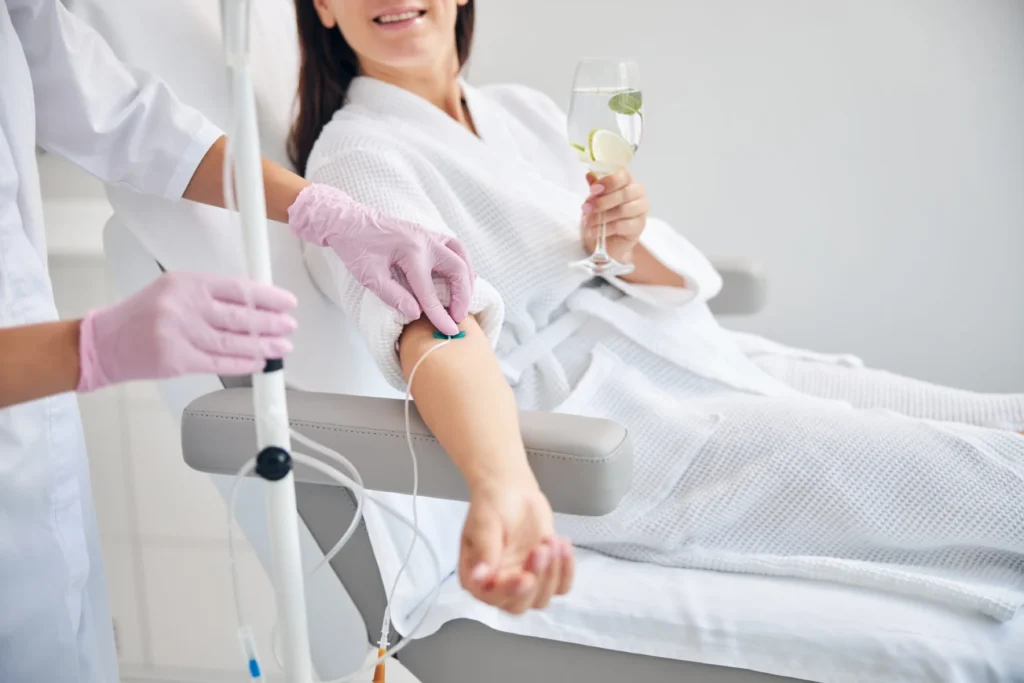
Glutathione IV therapy is an advanced aesthetic and wellness treatment that involves administering glutathione directly into the bloodstream through an intravenous drip. Glutathione is a naturally occurring antioxidant found in the body, composed of three amino acids—glutamine, cysteine, and glycine. It plays a vital role in detoxification, immune support, and protecting cells from oxidative stress. When delivered intravenously, glutathione bypasses the digestive system, allowing for better absorption and faster, more effective results compared to oral supplements.

A doctor evaluates why you want it (e.g., antioxidant support, specific medical conditions) and checks your health history.
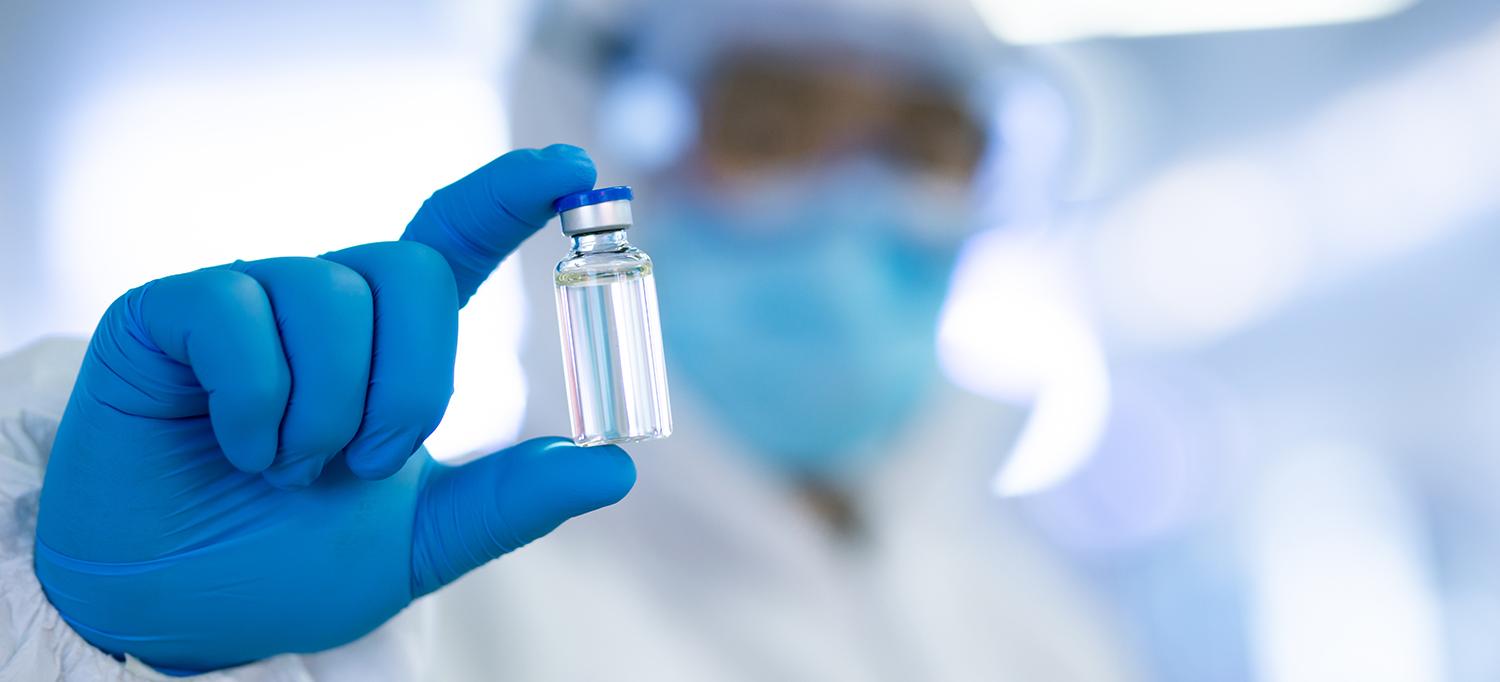
The dose and frequency are prescribed based on your needs; it’s not one-size-fits-all.
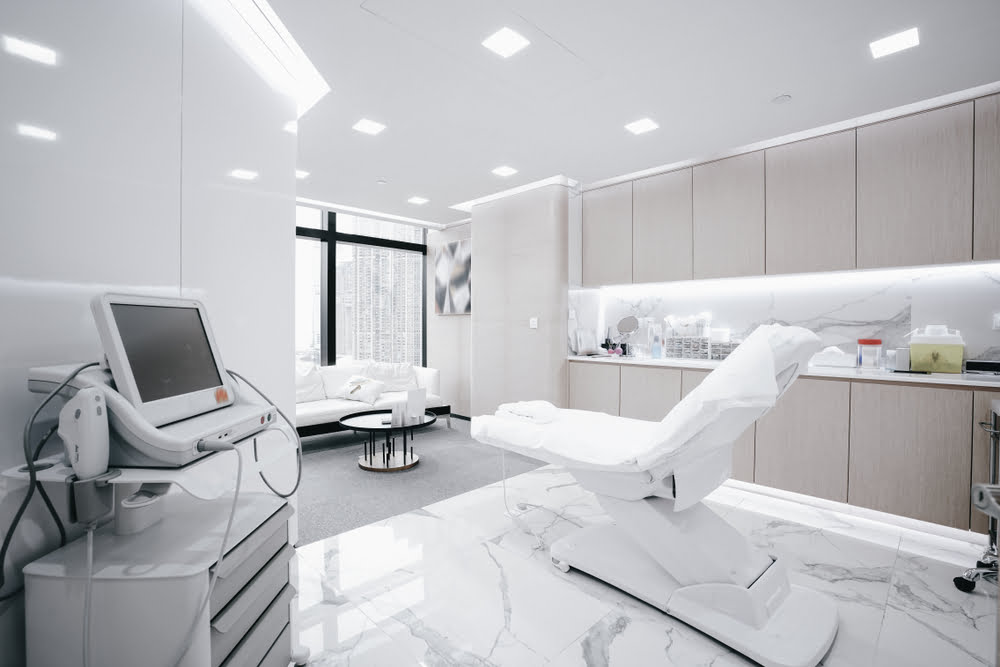
The infusion is prepared in a sterile environment to prevent contamination

A nurse or doctor inserts the IV and monitors you during the infusion.
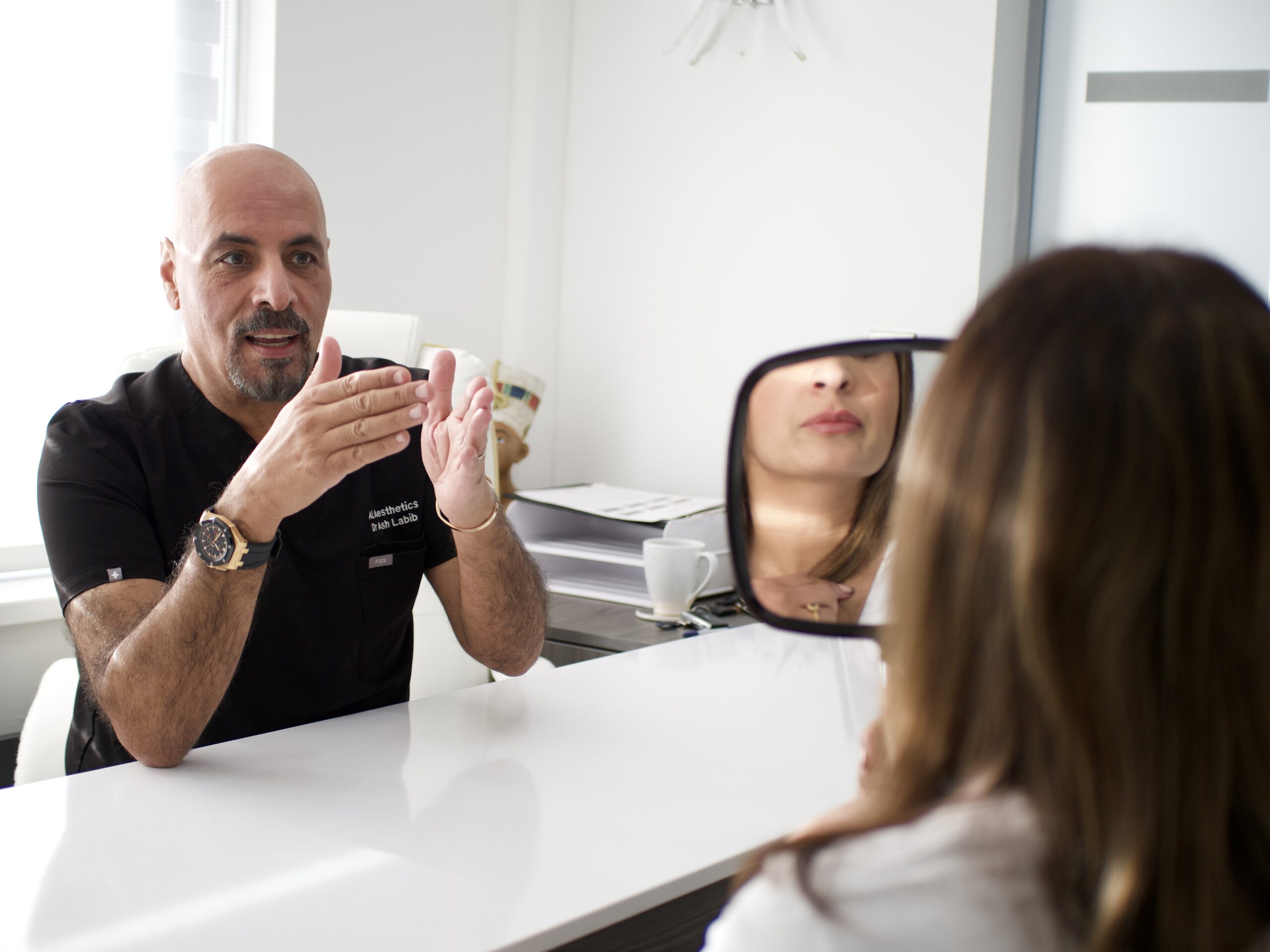
You’re observed for side effects, and ongoing use is reassessed.
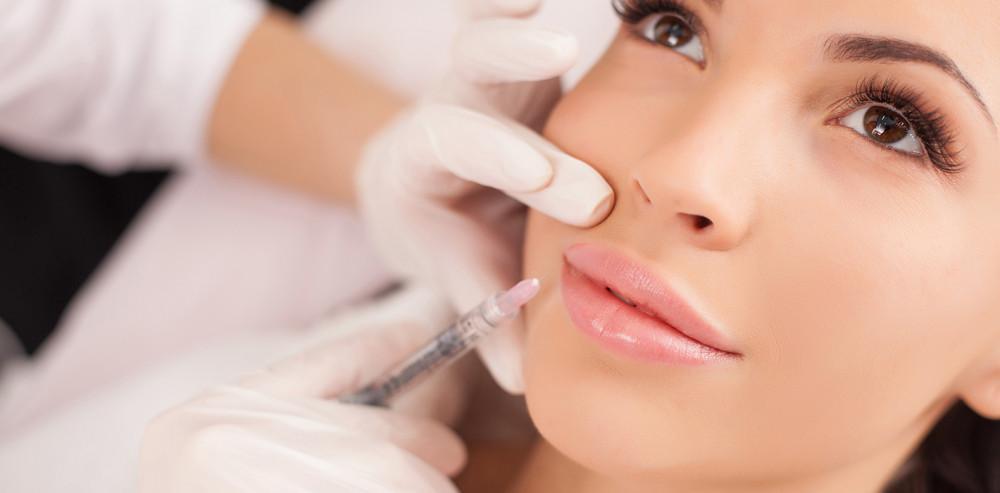
Botox is a purified protein (botulinum toxin) that temporarily relaxes muscles. It’s mainly used to reduce dynamic wrinkles—the lines caused by facial expressions (like frown lines, forehead lines, crow’s feet).
Dermal fillers are gel-like substances (commonly hyaluronic acid-based) injected under the skin to restore volume, enhance features, and smooth static wrinkles (lines present even at rest).

A trained professional evaluates your face, skin, and goals. They decide whether Botox, fillers, or both are suitable.

Injection points are mapped. Dosage and product type are selected.

Skin is cleaned; numbing cream may be applied (more common for fillers).

Small injections using fine needles. Botox takes a few minutes; fillers may take slightly longer.

Avoid touching the area for several hours. Follow instructions (e.g., avoid heavy exercise for 24 hours). Results appear over days (Botox) or immediately (fillers).
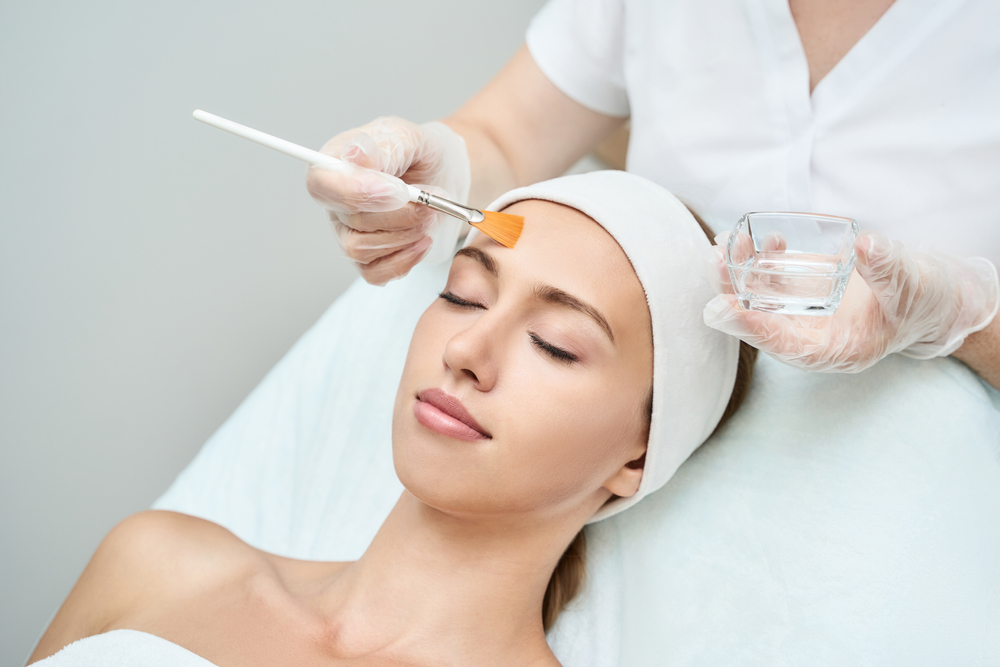
A chemical peel is a dermatological treatment that uses specially formulated acids to exfoliate the outer layers of the skin and promote regeneration. It helps improve common concerns such as dullness, acne, uneven skin tone, pigmentation, and fine lines by revealing fresher, smoother skin underneath. Depending on the strength (light, medium, or deep), it can target surface-level issues or penetrate deeper for more noticeable correction. The treatment also stimulates collagen production over time, making the skin appear brighter, clearer, and more youthful with consistent sessions.

Skin type, concerns (acne, pigmentation, dullness) are assessed. The right peel strength is chosen.

Face is cleansed thoroughly. Pre-peel products may be recommended days before treatment.

The peel (like glycolic, salicylic, or TCA) is applied evenly. You may feel tingling or mild burning.

The peel is neutralized or left to self-neutralize (depending on type). Skin is soothed with calming products.

Peeling/redness occurs over a few days. Sunscreen and hydration are essential. Avoid picking or exfoliating manually.
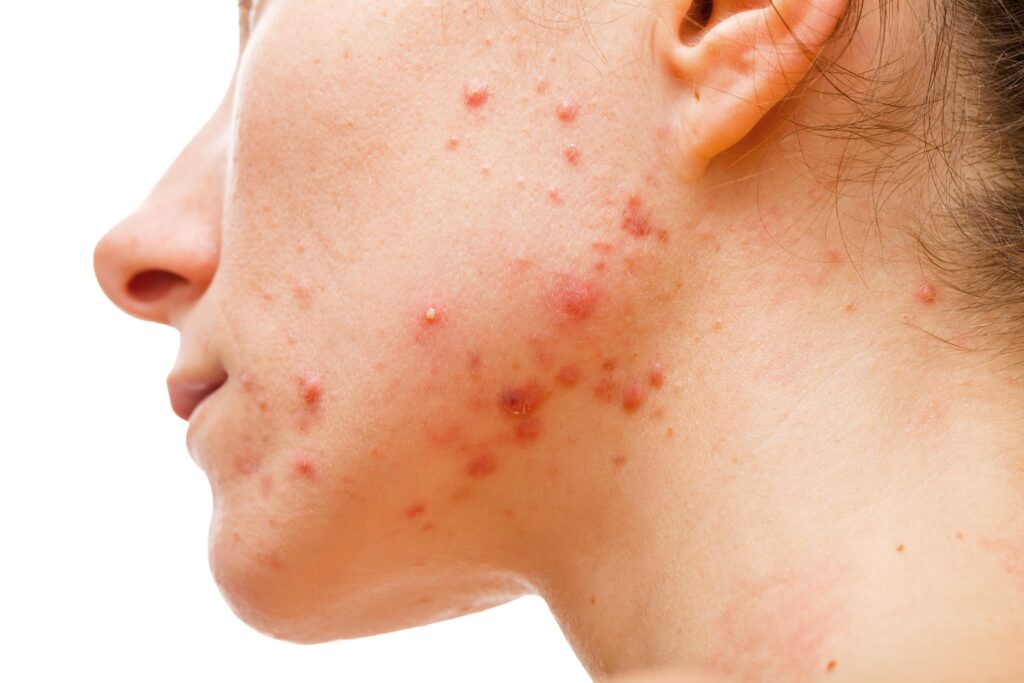
Acne is a common skin condition (Acne vulgaris) caused by clogged pores, excess oil, bacteria, and inflammation. Treatments focus on reducing breakouts, controlling oil production, and preventing future pimples. Options range from topical creams and oral medications to in-clinic procedures like chemical peels and light therapy. With consistent care and the right combination of treatments, acne can be effectively managed and skin clarity significantly improved.

A dermatologist evaluates acne severity and scar type (pigmented, atrophic, etc.).

Combination of products (retinoids, antibiotics) and procedures is chosen.

Acne is treated first (to prevent new scars). Procedures like peels, lasers, or microneedling may begin.

Skin repairs gradually; follow skincare routine strictly. Sun protection is essential.

Multiple sessions are usually needed for best results. Adjustments are made based on progress.
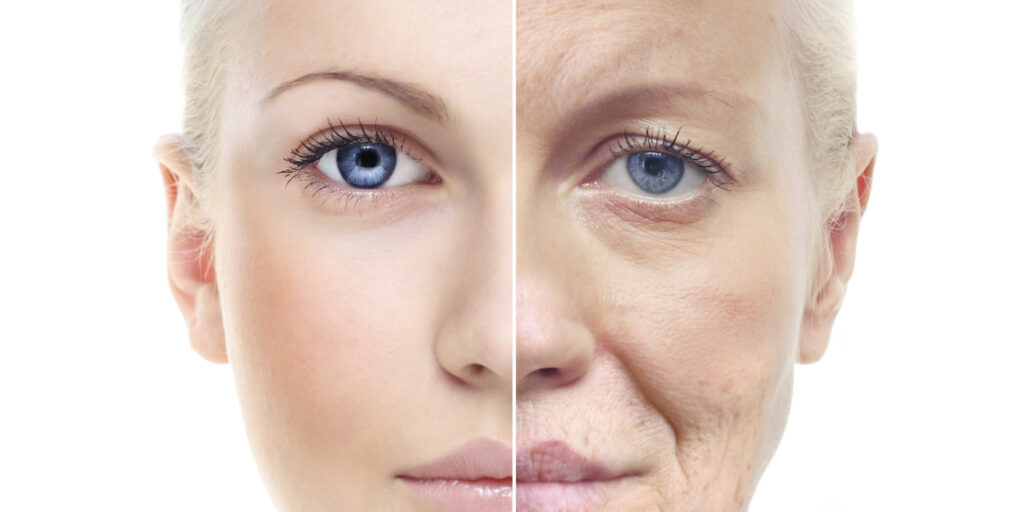
Anti-ageing refers to practices and treatments that help slow down visible signs of ageing like wrinkles, fine lines, and dull skin. It focuses on maintaining healthy skin, improving elasticity, and protecting against environmental damage. Common methods include skincare routines, lifestyle changes, and dermatological treatments. The goal is not to stop ageing, but to age gracefully with healthier skin.

Gently clean the skin to remove dirt, oil, and impurities.

Remove dead skin cells to promote cell renewal and smoother texture.

Apply serums or creams with ingredients like retinol, vitamin C, or hyaluronic acid.

Hydrate the skin to maintain elasticity and prevent dryness.

Use sunscreen daily to prevent premature ageing caused by UV rays.
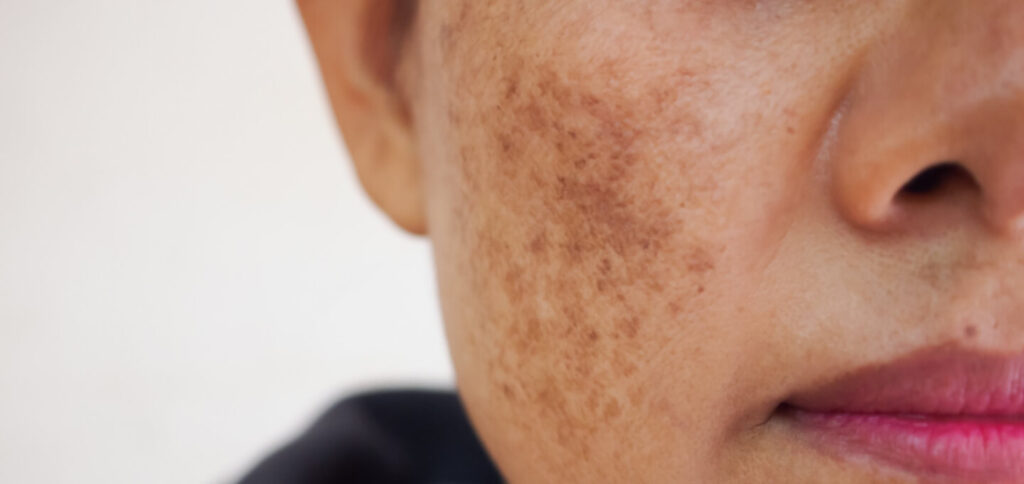
Melasma is a common skin condition that causes dark, patchy pigmentation, usually on the face. It is often triggered by sun exposure, hormonal changes, or genetics. It appears as brown or grayish patches on cheeks, forehead, nose, or upper lip. While harmless, it can affect appearance and confidence.

Use broad-spectrum SPF 30+ daily.

Apply creams with ingredients like hydroquinone, kojic acid, or azelaic acid.

Avoid harsh products that irritate skin.

Consider chemical peels or laser therapy under a dermatologist.

Follow routine regularly for visible results.
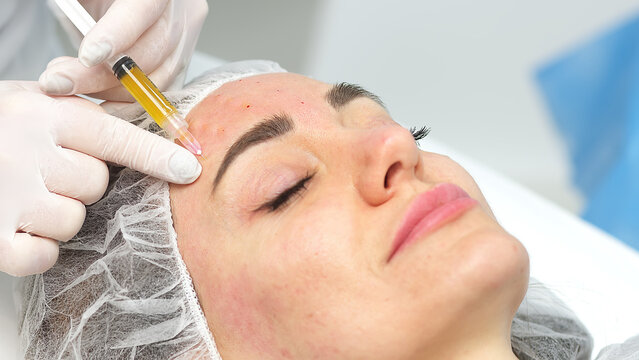
Face PRP (Platelet-Rich Plasma) is a skin rejuvenation treatment that uses your own blood to improve skin quality. The plasma, rich in growth factors, is applied or injected into the face to boost collagen production and repair damaged skin. It helps reduce wrinkles, acne scars, and improves overall texture. Since it uses your own blood, it is considered a natural and safe procedure.

A small amount of blood is drawn from your arm.

The blood is spun in a machine to separate the platelet-rich plasma.

Face is cleansed and numbed with a topical anesthetic.

PRP is either microneedled into the skin or injected into targeted areas.

Skin is soothed, and aftercare instructions are given for healing.
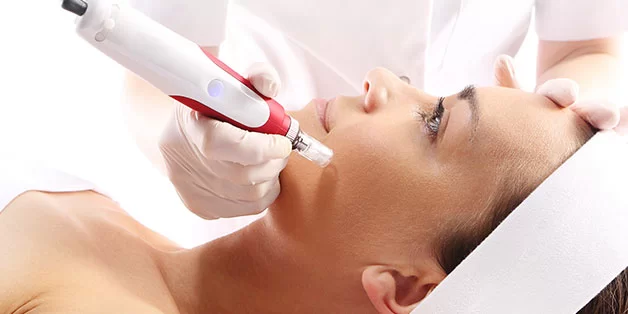
Microneedling is a minimally invasive skin treatment that uses tiny needles to create controlled micro-injuries on the skin. This process stimulates natural collagen and elastin production, improving skin texture and firmness. It’s commonly used for acne scars, fine lines, enlarged pores, and overall skin rejuvenation. Over time, it helps the skin appear smoother, brighter, and more youthful.

Skin is thoroughly cleaned to remove impurities.

A topical anesthetic is applied to reduce discomfort.

A device with fine needles is moved across the skin to create microchannels

Hydrating or treatment serums are applied for better absorption.

Skin is soothed and protected with calming products and sunscreen.
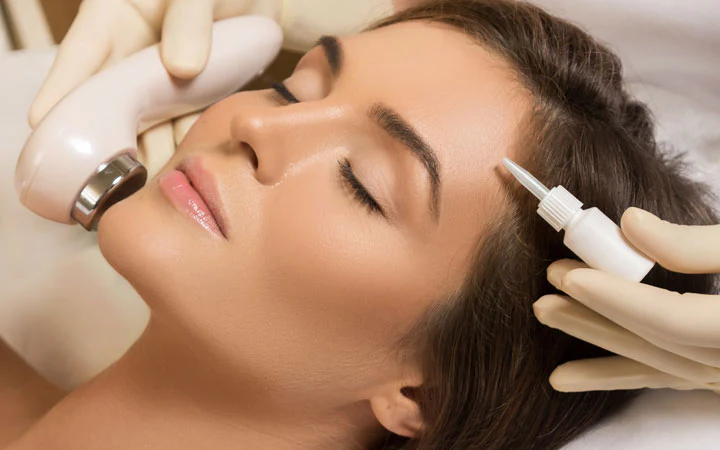
Skin polishing, often done using techniques like Microdermabrasion, is a cosmetic procedure that gently exfoliates the top layer of dead skin cells. It helps improve skin texture, brightness, and smoothness while reducing mild pigmentation, tan, and dullness. This treatment is non-invasive and gives an instant glow, making it popular for regular skin maintenance. It is suitable for most skin types when performed correctly.

Skin is cleaned to remove dirt, oil, and makeup

A device or crystals are used to gently remove dead skin cells.

Helps lift impurities and stimulate blood circulation.

Soothing serums or gels are applied to nourish the skin.

Sunscreen is applied to protect the freshly treated skin.
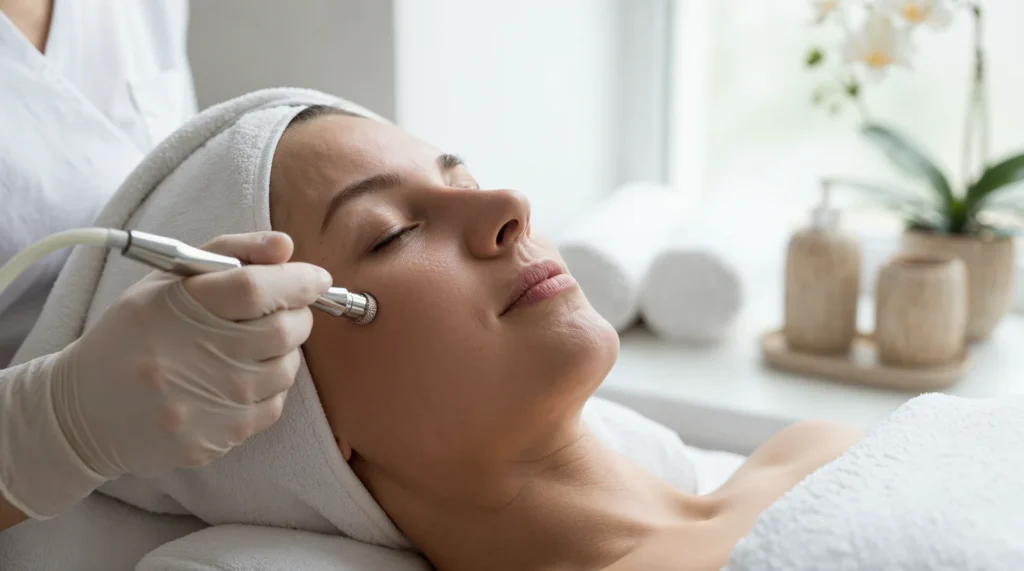
Microdermabrasion is a non-invasive exfoliation treatment that removes the outer layer of dead skin cells to reveal smoother, brighter skin underneath. It helps improve dullness, mild acne scars, uneven tone, and fine lines. The procedure uses a special device with crystals or a diamond tip to gently resurface the skin. It’s quick, safe, and requires little to no downtime.

A doctor evaluates why you want it (e.g., antioxidant support, specific medical conditions) and checks your health history.

A microdermabrasion device is used to gently remove dead skin cells.

The device vacuums away debris and stimulates circulation.

Calming serums or masks are applied to hydrate the skin.

Sunscreen is applied to protect the fresh skin layer.
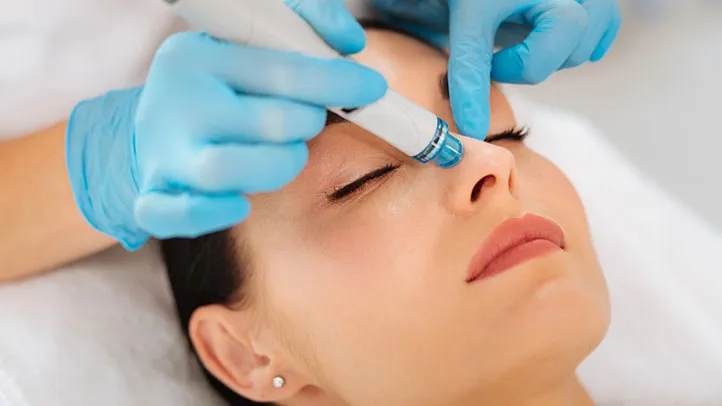
HydraFacial is a popular skin treatment that deeply cleanses, exfoliates, extracts impurities, and hydrates the skin in one session. It uses a specialized device with a vortex-like technology to deliver serums while removing dirt and dead skin cells. This treatment improves skin texture, tone, and overall glow instantly. It is suitable for almost all skin types and has no downtime.

Removes dead skin cells and surface impurities

A mild peel loosens dirt and debris from pores.

A vacuum suction removes blackheads and impurities.

Skin is infused with hydrating and nourishing serums.

Antioxidants and sunscreen are applied to protect the skin.
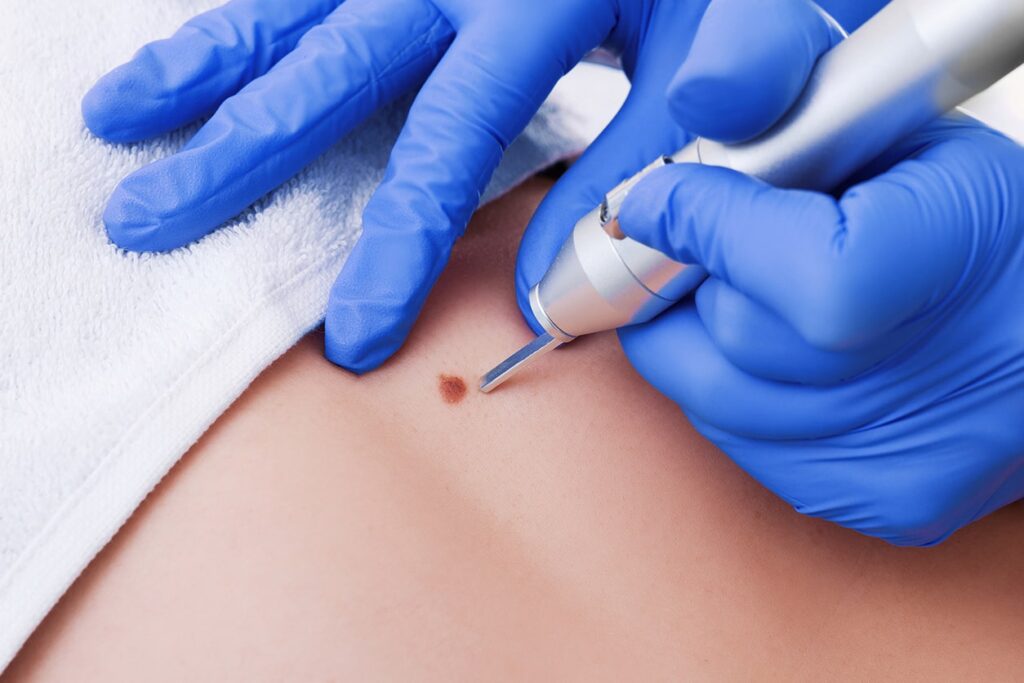
Skin tag removal is a simple cosmetic procedure used to eliminate small, soft, harmless growths on the skin known as Skin Tag. These commonly appear on the neck, underarms, eyelids, or skin folds due to friction or genetics. While not dangerous, many people remove them for comfort or cosmetic reasons. The procedure is quick, safe, and usually done in a clinic.

The doctor examines the skin tag to confirm it is harmless.

The area is cleaned and prepared for the procedure.

The tag is removed using cauterization (heat), cryotherapy (freezing), or snipping

Minor bleeding (if any) is controlled immediately.

An antiseptic or healing ointment is applied, and care instructions are given.
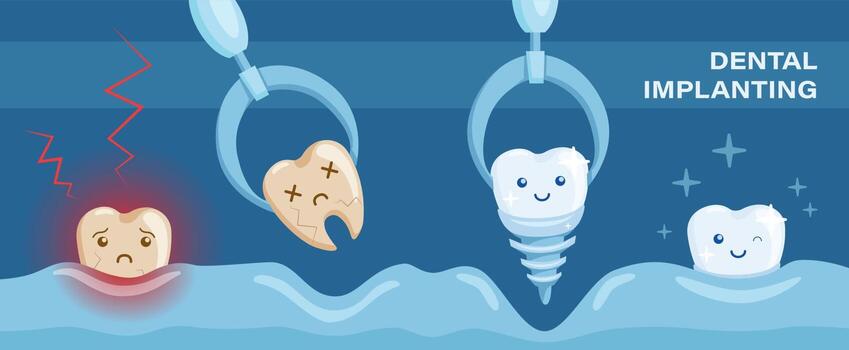
Glutathione IV therapy is an advanced aesthetic and wellness treatment that involves administering glutathione directly into the bloodstream through an intravenous drip. Glutathione is a naturally occurring antioxidant found in the body, composed of three amino acids—glutamine, cysteine, and glycine. It plays a vital role in detoxification, immune support, and protecting cells from oxidative stress. When delivered intravenously, glutathione bypasses the digestive system, allowing for better absorption and faster, more effective results compared to oral supplements.

A doctor evaluates why you want it (e.g., antioxidant support, specific medical conditions) and checks your health history.

The dose and frequency are prescribed based on your needs; it’s not one-size-fits-all.

The infusion is prepared in a sterile environment to prevent contamination

A nurse or doctor inserts the IV and monitors you during the infusion.

You’re observed for side effects, and ongoing use is reassessed.
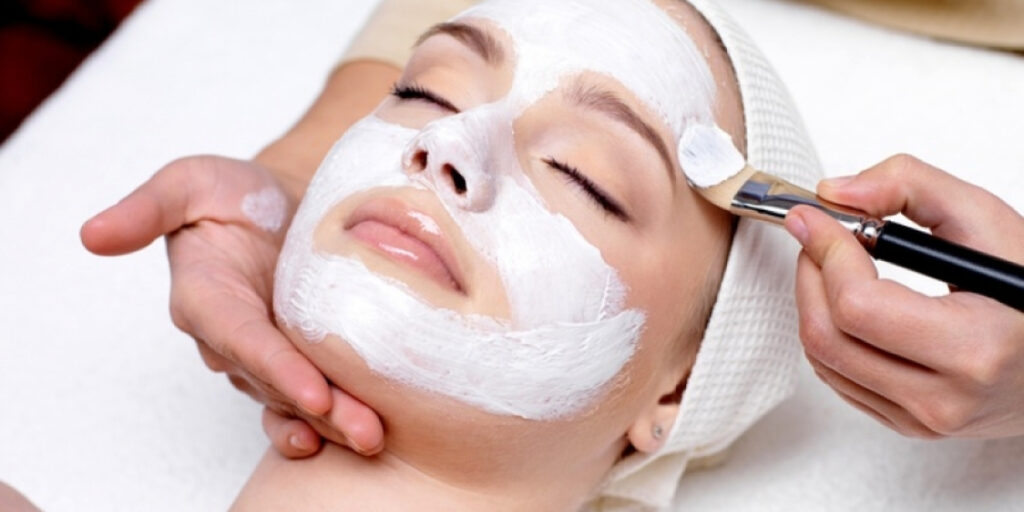
A MediFacial (medical facial) is an advanced skincare treatment performed under the supervision of a dermatologist using clinical-grade products and techniques. Unlike regular facials, it targets specific skin concerns such as acne, pigmentation, dehydration, or ageing. It combines deep cleansing, exfoliation, and active ingredients to improve overall skin health. Treatments are customized based on your skin type and concerns for better, longer-lasting results.

A professional assesses your skin type and concerns.

Removes dirt, oil, and impurities from the skin.

Mild medical-grade exfoliation to renew skin cells.

Application of active serums for issues like acne, pigmentation, or ageing

Moisturizer and sunscreen are applied to protect the skin
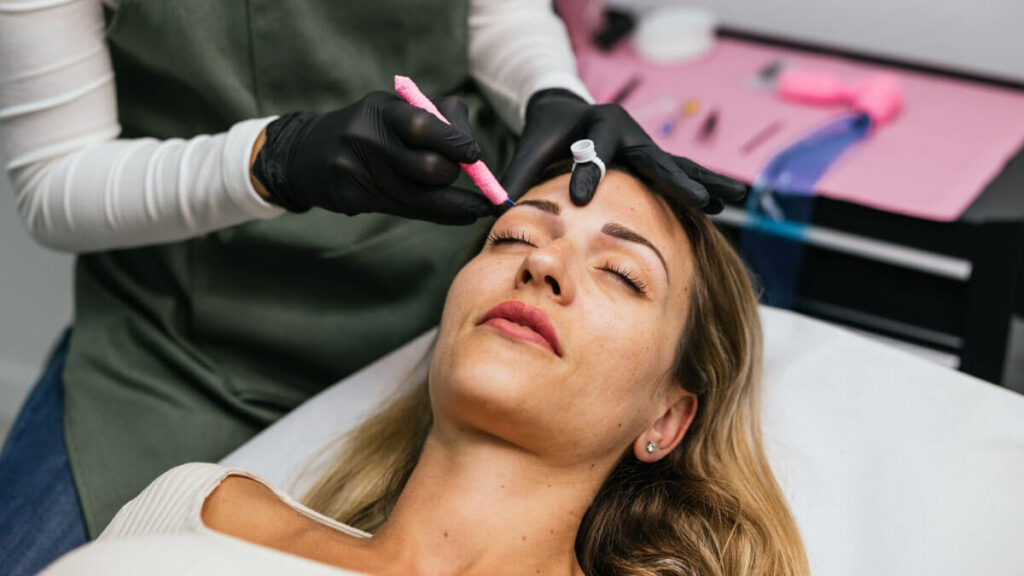
Microblading is a semi-permanent cosmetic procedure used to enhance the appearance of eyebrows. It involves using a fine blade to deposit pigment into the skin, creating hair-like strokes that mimic natural brows. This treatment is ideal for people with thin, sparse, or uneven eyebrows. The results look natural and typically last 1–2 years with proper care.

Brows are measured and shaped according to your face.

A topical anesthetic is applied to reduce discomfort.

A suitable color is chosen to match your natural brow shade

Fine strokes are created using a handheld tool to deposit pigment.

Instructions are given to ensure proper healing and long-lasting results.
Your treatments are handled by licensed doctors and trained medical staff, ensuring every procedure is safe, evidence-based, and tailored to each patient.
You follow clinical-grade sterilization protocols and use approved equipment and products, minimizing risks and prioritizing patient safety at every step.
No one-size-fits-all approach—each client receives a consultation and customized plan based on their goals, health history, and realistic outcomes.
You provide honest guidance, explain benefits and limitations clearly, and avoid unnecessary procedures—building long-term trust with patients.